
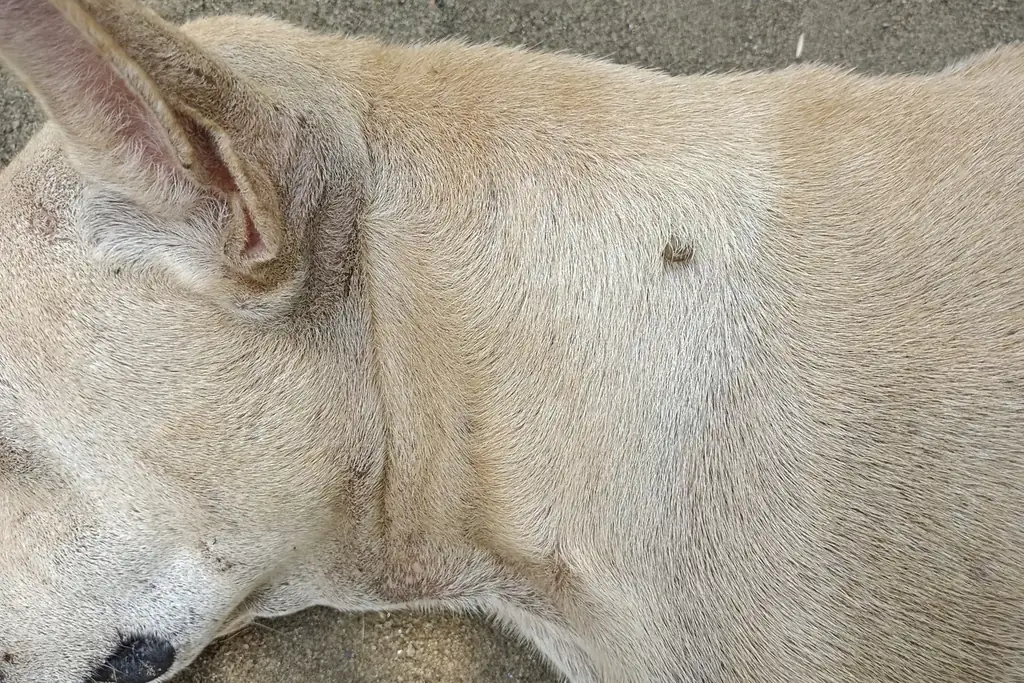
"Tick fever" is the everyday name for a group of infections that ticks pass into a dog's blood. The two vets see most often are ehrlichiosis, caused by bacteria, and babesiosis, caused by a parasite that destroys red blood cells. Both are spread mainly by the brown dog tick, which thrives in Indian heat and is quite happy living inside your home.
Cases climb through the monsoon and the weeks after it, roughly July to October, though vets see it all year. Caught early, it usually responds well to treatment. The trouble is that the first signs look like an ordinary off day.
What do you need right now?
Go to a vet today if you see these
Pale gums, dark urine, bleeding or collapse mean the same day, or a 24-hour clinic at night.
These can't wait. They suggest the infection is destroying red blood cells or the platelets that help blood clot.
- white or very pale gums
- dark urine, the colour of tea or cola, or red urine
- small red or purple spots on the belly, inner ears or gums
- nosebleeds, or blood in the stool
- fast breathing while resting
- collapse, or legs that seem too weak to hold them up
- a yellow tinge to the eyes or skin
Dogs this unwell sometimes need a transfusion. Our blood guides for Bengaluru and Mumbai explain how to find a donor quickly.
The early signs
A few ordinary signs together, in tick season, are enough reason to ask for a blood test.
Signs usually appear one to three weeks after the bite, often after the tick has already dropped off, so you may never have seen it.
- quieter than usual, and sleeping more
- eating less, or turning down food they'd normally beg for
- feeling hot to the touch
- not wanting to climb stairs or go on the usual walk
Any one of these is just an off day. Two or three together, between July and October, are worth a vet visit within a day or two.
Check the gums in ten seconds
Healthy gums are bubblegum pink. Pale, white or yellowish gums are a warning.
Do this once now, while your dog is well, so you know what normal looks like.
- Stand in daylight, not under a yellow bulb.
- Lift the upper lip at the side and look at the gum above the back teeth.
- Press with a fingertip. The pale spot should turn pink again in about two seconds.
Babesia destroys red blood cells, so pale gums can mean your dog is becoming anaemic. If your dog has dark, pigmented gums, gently pull down the lower eyelid and check the pink tissue inside.
What happens at the vet
Expect a blood count first, then about four weeks of treatment.
The first thing most vets look at is the complete blood count, or CBC, and in particular the platelets and red cells. A low platelet count is one of the classic findings. The vet may also:
- look at a blood smear under the microscope, to spot Babesia inside the red cells
- run a quick kit test for antibodies
- send a sample for a PCR test, which takes longer but names the exact organism
Ehrlichiosis is usually treated with an antibiotic called doxycycline for about four weeks. Most dogs perk up within a few days, and that's exactly when owners are tempted to stop. Finish the whole course, because stopping early is a common reason the infection comes back. Babesiosis is treated with different drugs, and your vet may start before all the results are in.
When the course is over, ask for a repeat blood count, to check that the numbers have recovered and not just your dog's mood.
Take a tick off safely
Tweezers close to the skin, a slow straight pull, no oil and no flame.
- Use fine-tipped tweezers or a tick hook and grip the tick as close to the skin as you can.
- Pull straight out with slow, steady pressure. Don't twist hard or jerk.
- Drop it into a little alcohol or soapy water. Don't crush it between your fingers.
- Clean the spot and wash your hands.
Don't burn a tick or smother it in oil or kerosene. That makes it more likely to push its contents into your dog.
Then check the places ticks hide: inside and behind the ears, between the toes, under the collar, in the armpits and groin, and around the base of the tail. Note the date. If your dog goes quiet or off food in the next three weeks, tell the vet about the tick.
Keep ticks away
Pick one kind of prevention with your vet, and never miss a dose.
| Type | How often | Suits |
|---|---|---|
| Oral chewable tablet | Monthly, or every 12 weeks for some brands | Dogs that swim or are bathed often, since it can't wash off |
| Spot-on liquid on the skin | Usually monthly | Owners who'd rather not give tablets |
| Tick collar | Several months, less if the dog swims a lot | Low-effort protection between vet visits |
Whichever you choose, what matters most is giving it on time. It's usually the dose that slipped in August that catches people out, so set a repeating reminder on your phone the day you give it.
If you keep finding ticks on a dog that's on prevention, the problem is probably your home. The brown dog tick lays its eggs in wall cracks, behind furniture and in bedding, and a single female can lay thousands. Wash your dog's bedding in hot water, vacuum along the skirting, and ask a pest-control company about a treatment that's safe around pets.
Find a vet near you
Common questions
Quick answers to what people ask most.
Can people catch tick fever from their dog?
Not from the dog. These infections are passed on by tick bites, so the risk is the ticks in your home. Remove them with tweezers or gloves, never bare fingers, and wash your hands afterwards.
Can a dog get tick fever more than once?
Yes. Getting better doesn't give lasting protection, and ehrlichiosis can hide in the body and flare up again later. That is why prevention carries on all year.
Is tick fever fatal?
It can be when it's found late, especially if a dog is badly anaemic or bleeding. Most dogs treated early recover well, which is the reason to ask for a blood test at the early signs.